Transformer losses: why the cheapest quote is rarely the cheapest transformer
No-load and load losses cost money every hour a transformer is energised. Loss capitalisation turns them into a number you can compare between offers.
Trafo Power engineering team2 min read
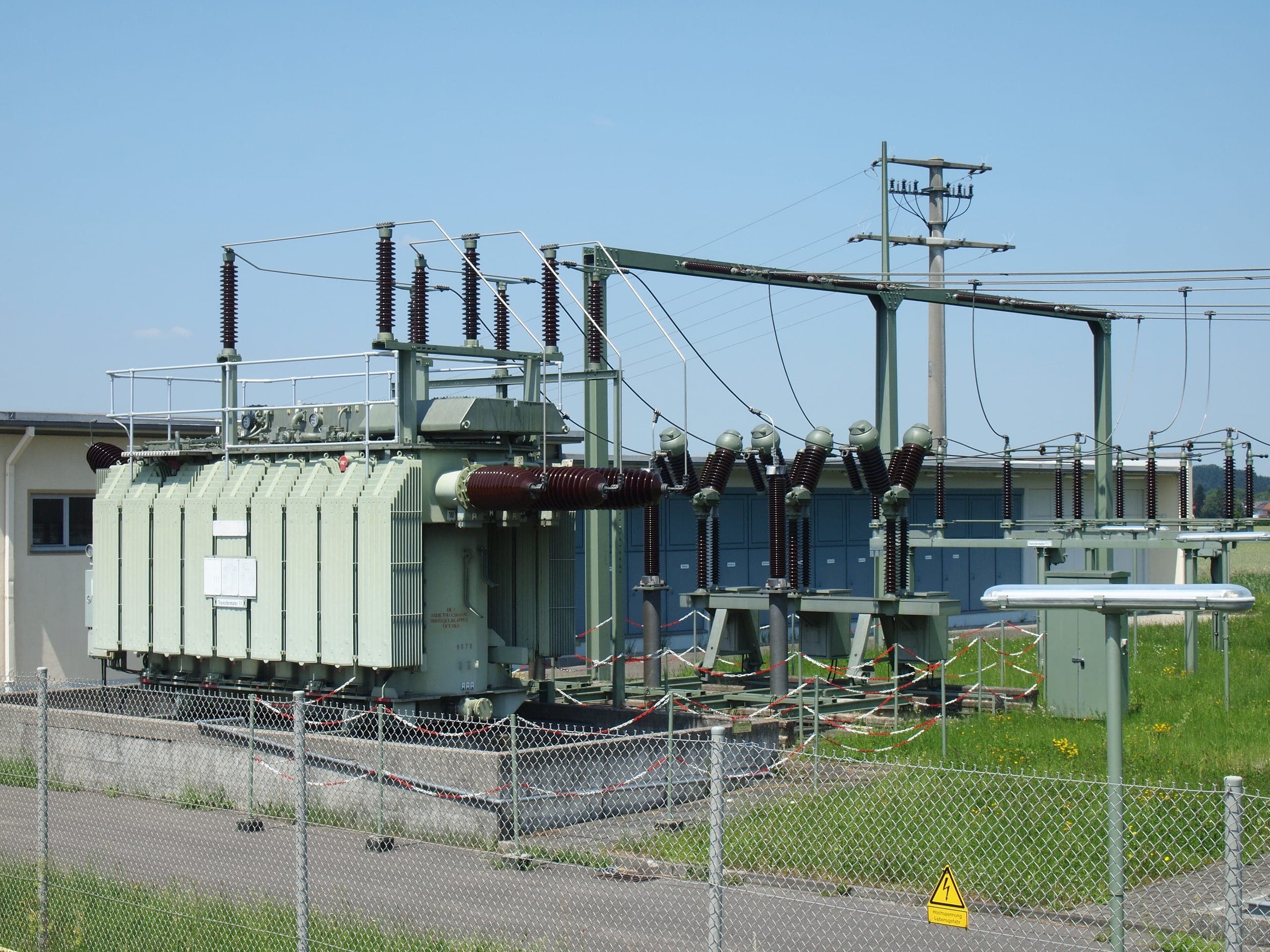
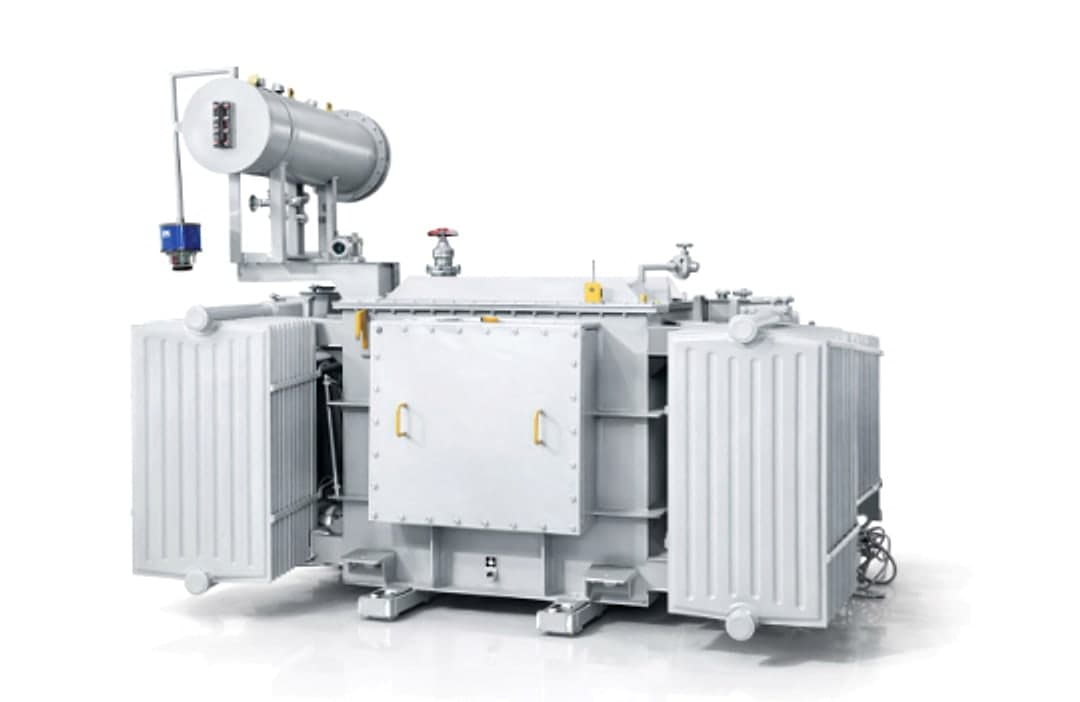
A transformer is bought once but runs for decades. Over that life, the energy it wastes as heat can cost more than the transformer itself, which is why utilities and experienced EPCs compare offers on total cost of ownership rather than price alone.
## Two kinds of loss
- No-load loss (P0) is dissipated in the magnetic core whenever the transformer is energised, whether or not it carries load. It runs 8,760 hours a year.
- Load loss (Pk) is dissipated in the windings and structural parts by the load current. It varies with the square of the load: at 50 % load, load loss is about a quarter of its rated value.
A transformer that spends long periods lightly loaded, such as an inverter duty transformer that idles every night, is dominated by its no-load loss. A heavily loaded industrial unit is dominated by load loss.
## Putting a price on losses
Loss capitalisation converts each kilowatt of loss into a present-value cost:
Total cost = purchase price + A × P0 + B × Pk
- A (per kW of no-load loss) reflects the energy price, 8,760 operating hours, the expected life and the discount rate.
- B (per kW of load loss) is similar but scaled by the expected loading, because load loss depends on the square of the load.
When A and B are stated in the enquiry, every manufacturer can optimise core steel, conductor size and cooling against the same target, and offers become directly comparable.
## Standards set the floor
Many markets cap losses by regulation. In India, IS 1180 (Part 1) sets maximum total losses at 50 % and 100 % loading for distribution transformers, grouped into energy-efficiency levels; other regions apply IEC 60076-20 or their own efficiency rules. These limits are minimums. Capitalisation shows when it pays to go further.
## What to include in an enquiry
- Rated power, voltages and the expected loading profile
- Either guaranteed maximum losses, or the A and B capitalisation factors
- Applicable efficiency standard or level
- Tolerance and penalty terms for measured losses at routine test
General engineering guidance. Guaranteed losses for a specific order are stated in the technical particulars.